

Image via Pexels
Creative Clutter-Free Keepsakes for Stress-Free Family Travel Memories
From Guest Blogger and travel and technology expert Anya Willis
For parents of young children, family travel memories feel priceless right up until the unpacking begins and the kitchen counter turns into a new pile of souvenirs. The travel mementos challenges are real: kids want a keepsake from every stop, adults feel guilty saying no, and family home organization takes the hit when small trinkets don’t have a clear place to live. The tension isn’t about being “anti-souvenir”, it’s about wanting to remember the trip without adding stress to daily life. A clutter-free keepsake approach helps families hold onto what matters and let the rest go.
Understanding Meaningful Keepsakes vs. Impulse Souvenirs
A helpful shift is separating meaningful travel keepsakes from impulse tourist purchases. A keepsake is chosen because it carries a story and emotion, while an impulse buy is chosen because it is there, cute, or “everyone gets one.” The idea that sentimental value is distinct helps here, since the “best” item is not the priciest or most useful.
This matters because kids outgrow clutter faster than they outgrow good memories. When you choose fewer, better mementos, you protect your home space and make it easier to actually revisit the trip. Over time, a truly meaningful souvenir becomes more precious because the story grows with your child.
Picture your child begging for a fifth keychain, plus a glitter snow globe at checkout. Instead, you offer one “memory pick” for the whole day: something that points back to a specific moment, like feeding fish or riding the ferry. That single choice becomes the one they talk about years later. A simple photo can do the same job, especially when it becomes a travel mug you use daily.
Turn One Favorite Photo Into a Mug You’ll Use Daily
Once you’ve shifted from impulse souvenirs to keepsakes that actually earn their place at home, it helps to choose something you’ll reach for without thinking. A custom photo mug is one of the most popular ways to bring a travel memory into your everyday routine, because it’s both meaningful and useful. Starting the morning with a mug printed with your favorite trip photo is a small, steady reminder of the fun you had together, and it can keep the spirit of that getaway alive long after the suitcases are unpacked.
The best part is how easy it is to make. With a handy online tool, you can easily customize a mug by uploading your own image, playing with text and layout options, and creating a print-ready design in just a few steps. If you’re looking for more low-clutter ways to remember a trip without adding “stuff,” the next section shares several simple keepsakes that fit real family life.
Choose 7 Low-Clutter Keepsakes That Fit Your Real Life
If your best travel memories are currently hiding in a grocery bag on a shelf, you’re not alone. The goal is simple: pick keepsakes that earn their space by being useful, easy to store, or easy to rotate.
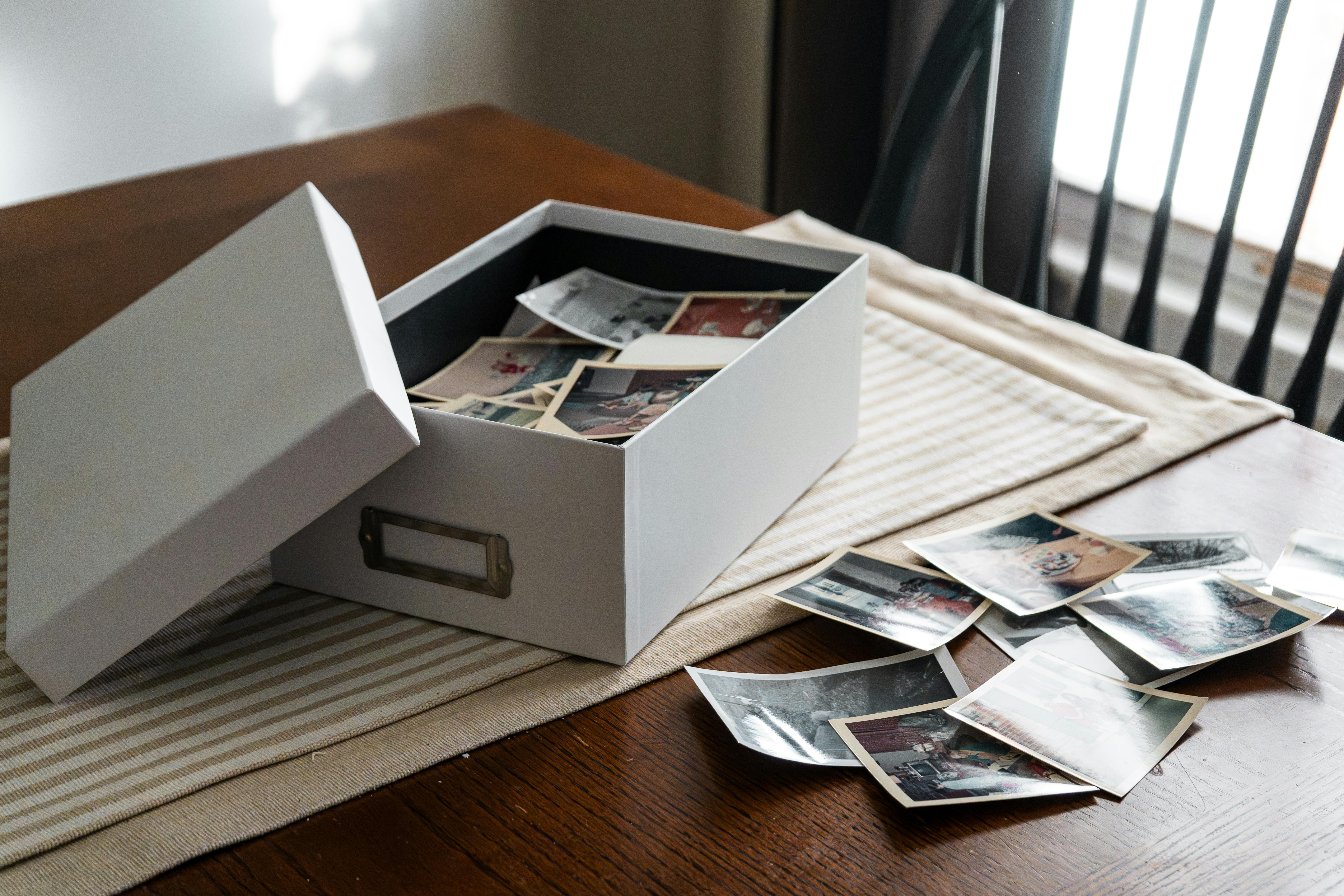
- Set a “one-pocket” rule for paper souvenirs: Bring one envelope (or zip pouch) per trip and limit paper items to what fits, think one brochure, one ticket, and one kid drawing. When you’re tempted to grab more, snap a quick photo instead. This creates instant boundaries for space-conscious travel memorabilia without you having to make a dozen tiny decisions.
- Write the memory while it’s fresh (30 seconds): For anything you keep, postcard, receipt, map, add one sentence: “We laughed when…,” “Best snack was…,” “Funniest moment…” That tiny caption turns ordinary clutter into creative memory preservation your kids will actually understand later. A simple option is to grab postcards and scribble a memory on the back, since scribbling a memory is what makes it personal, not the object itself.
- Upgrade “trash” into one flat keepsake: Save one great-looking flyer, museum map, or local event poster and make it your trip art, trim it, flatten it in a book overnight, then file it in a slim folder or frame it. This is eco-friendly and low effort, and you can recycle or upcycle what you already picked up instead of buying more.
- Create a rotating display zone (no permanent clutter): Choose one small shelf, one frame, or one corkboard as your “travel spotlight.” Each trip, swap in one item (a shell, a postcard, or the photo mug from your daily routine) and put the previous item into a labeled bin. Rotation keeps things special without covering every surface.
- Pick one functional personalized item per trip: The mug idea works because it shows up in real life. Use that same standard for other personalized keepsakes for families: a key tag, a luggage tag, or a small kitchen towel with the trip date. If it doesn’t have a job, it’s more likely to become “closet archaeology.”
- Make a “two-photo + one sentence” trip card for each kid: Print two small photos (one of the place, one of your child in the moment) and add one caption. Store cards in a single index-card box, each trip becomes one thin, consistent record. This is a practical family travel souvenir system that grows without taking over.
- Use the 3-question match to choose your keepsake: Ask: Where will this live? (drawer, wall, kitchen), How often will we touch it? (daily, monthly, yearly), Who is it for? (parent, each kid, whole family). If you can’t answer in 10 seconds, it’s probably not the right low-clutter commemorative item for your routines.
When you choose keepsakes that fit your storage limits and your actual habits, you’ll buy less, keep less, and enjoy what you keep more, plus you’ll be in a good position to judge quality, durability, and whether something will survive real kid life.
Travel Keepsake Questions Parents Ask Most
Q: How do I stop souvenirs from multiplying once we get home?
A: Decide your “container limit” before you unpack, like one small bin per family or one folder per year. Anything that does not fit becomes a photo or gets recycled guilt-free. If you are unsure, keep it for 7 days in a “maybe” bag, then do a fast second pass.
Q: What should I do with kids’ rocks, shells, and tiny treasures?
A: Pick a small “top three” per child and store them in a divided box or a jar with a label. Let the rest go after a quick photo and a one-sentence story from your child. This keeps the meaning while protecting your floors and shelves.
Q: When are DIY personalized souvenirs actually worth the effort?
A: DIY is worth it when you can reuse a simple template and finish it in under 20 minutes. It is also great when the personalization adds the story, like a short quote your child said on the trip. If it starts to feel like homework, choose one functional custom item instead.
Q: Should I pick matte or glossy when I print photos for a frame or display?
A: Matte is often easier in busy family spaces because it cuts glare from windows and overhead lights. The detail that 82% of gallery curators prefer matte for framed displays can be a helpful tie-breaker if you are on the fence. If fingerprints are your main issue, choose matte plus a simple wipeable frame.
Choose Meaningful Souvenirs Without Bringing Home the Clutter
Family trips are full of sweet moments, but it’s easy to come home with a bag of “maybes” that quickly crowd a clutter-free family home. The shift is intentional keepsake selection: treating souvenirs as travel memory storytelling, not shopping, and using a simple “story worth keeping” filter to guide confident keepsake choices. That’s how meaningful family souvenirs stay special without taking over drawers and shelves. If it doesn’t help you tell the story, it doesn’t need to come home. Pick one keepsake category for your next trip and decide your “story worth keeping” rule before you go. When memories live in the meaning instead of the mess, home feels steadier, and family connection grows.
Recent Comments